How bol keeps people and trust at the centre

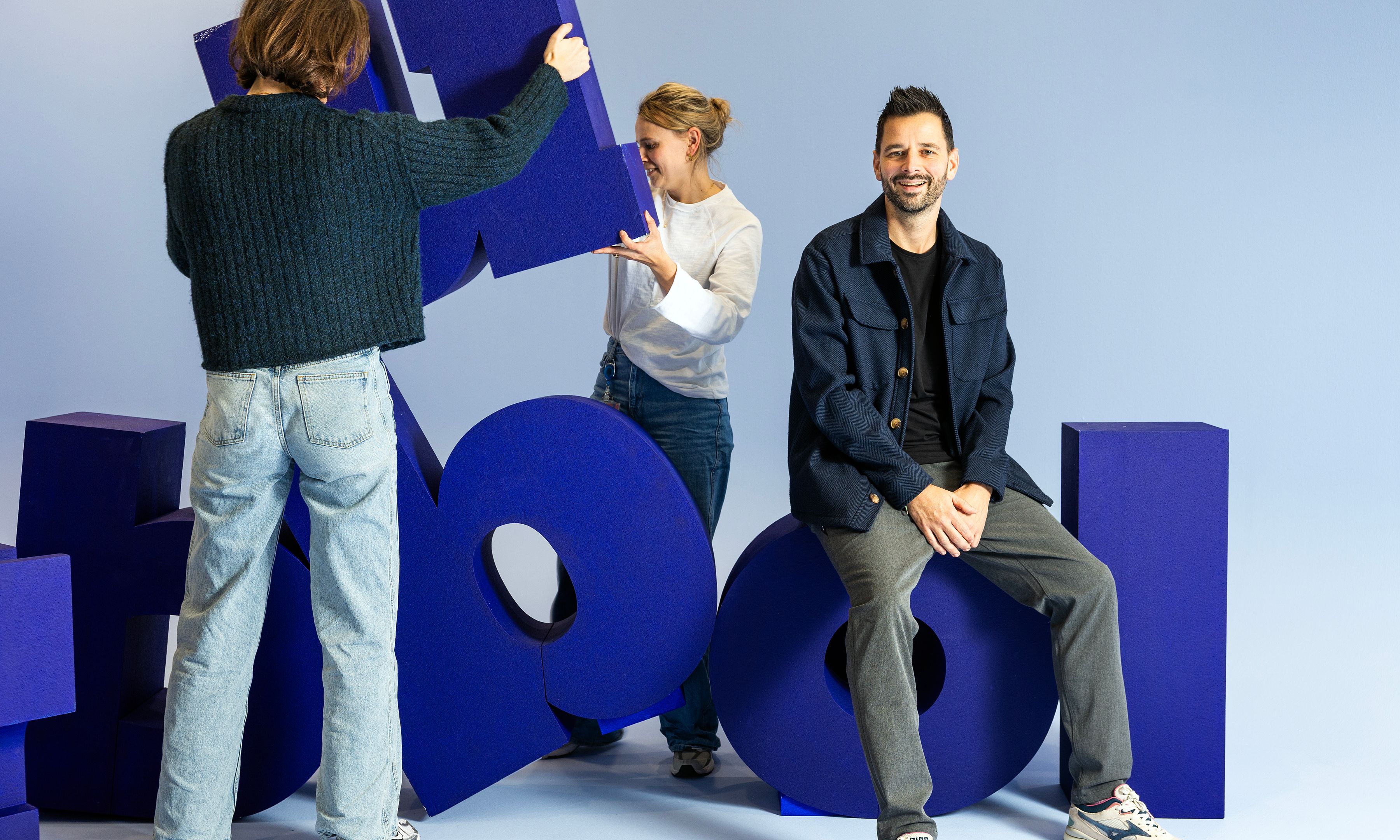
Imagine a model wearing hundreds of outfits at once, tailored to the time of day, customer preference, and the season, all without a single additional photoshoot. At bol, that's no longer a distant dream: since early March, the first campaigns featuring AI-generated models have gone live on the platform. Laurent Lubbers and Benjamin van Vianen, two pioneers working behind the scenes at bol, explain how generative AI is fundamentally changing the way they work, and how people always remain at the heart of it.
Anyone who shops for clothing online knows the problem: a T-shirt on a hanger tells you very little about how it actually fits when you wear it. Laurent Lubbers, who leads bol's in-house studio burobol, sees a direct link to customer satisfaction: "A product photo with a model gives customers a much better impression and sets a fairer expectation."
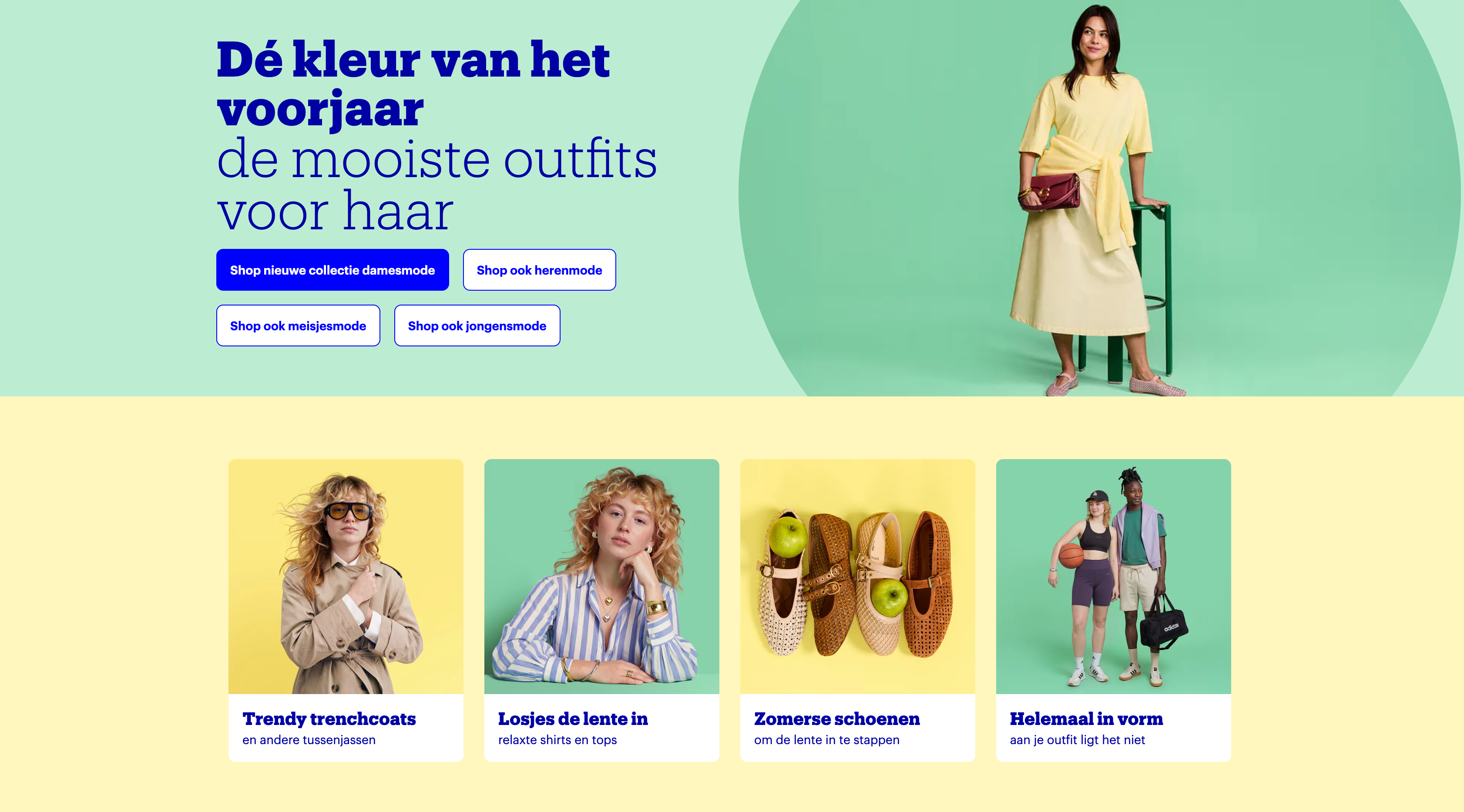
Traditional photoshoots are expensive and time-consuming. Generative AI offers a way out. At bol, the process works like this: the photographer and the set team first create an extensive library of source material with a real model, think hundreds of photos in different poses, lighting conditions, and angles. This material is then used to create what's known as a 'digital twin' via a generative AI model: a realistic, AI-generated digital version of a person. The generative AI model can then produce new images of that same person in different outfits or contexts, with no further physical photoshoot required.
"When you see an item on a hanger, you don't know how it will fit. A model immediately gives you a more honest sense of what you're buying."
— Laurent Lubbers
2,5 years of experimentation, now live
Benjamin van Vianen, Manager Scalable Content & Tooling and a member of Laurent's team, started this journey several years ago with an internal tool for promotional banners. One thing led to another, and before long the question arose: what if we applied generative AI to fashion campaigns?
"Because we save time on photography, we can create more content without putting extra pressure on teams and models.”
— Benjamin van Vianen
The team followed a consistent methodology: first running 'shadow mode' tests in parallel with regular production, then evaluating internally and piloting with a small group of customers before going live. The previous fashion campaign already involved AI experimentation, but nothing was published. Now, in early March 2026, the quality is strong enough to take that step.
One notable finding: customers who saw the AI-generated images during research were often surprised. Laurent: "Many assumed bol had been using the technology for years and couldn't tell the difference." This aligns with recent research by DVJ Insights, which found that consumers rate AI-generated advertisements just as positively as human-made ones.
Consent as the Foundation
Models give explicit consent to bol for the use of their digital twin, and that consent is precisely defined: covering which time period, which production, and which channels. Any modifications to the digital image are only permitted within boundaries agreed upon jointly by the model and bol.
"For me, there's a clear boundary: models must always be able to recognise themselves in the final image."
— Laurent Lubbers
The creative team of bol also ensures that images remain human and brand-consistent, misleading or distorted representations are an absolute no-go. bol has also chosen not to work with children in combination with generative AI, and applies strict rules around what can and cannot be altered. Benjamin: "This is also a matter of trust, towards the models we work with, and towards the millions of customers who shop on our platform every day."
Roles changes, but responsibility remains
There's one question that surfaces with every AI announcement: what does this mean for jobs? Both Laurent and Benjamin are clear: roles aren't disappearing, but new responsibilities are emerging.
"Specialisms remain crucial. We're moving from execution to directing, feeding, and validating AI. Roles are becoming more curatorial."
— Benjamin van Vianen
Stylists aren't going anywhere, but they now also evaluate digital styling, not just garments on a set. Photographers, rather than shooting one campaign per season, now create source material: hundreds of poses that feed the technology. The work is becoming more digital, but no less human. Benjamin adds that technology can actually accelerate creative people: "I used to spend hours photoshopping to bring an idea to life. Now that can happen in an hour."
This innovation is not the work of any one person. The development of the AI models, the testing phases, the creative process, and the final production are the result of intensive collaboration between burobol colleagues, including data specialists, photographers, stylists, developers, creatives, and technical partners.
Looking ahead
The AI ambition doesn't stop at product photography. The next step is augmented reality and virtual try-on: customers digitally trying on clothing, seeing themselves in an outfit, or even generating personalised videos of how they'd look in a particular setting.
"The shopping experience is genuinely going to change. It will become more personal and more interactive."
— Benjamin van Vianen
AI continues to be an exciting space to navigate, balancing the human dimension with the consumer demands of tomorrow. One thing is certain: bol will always keep people at the centre.
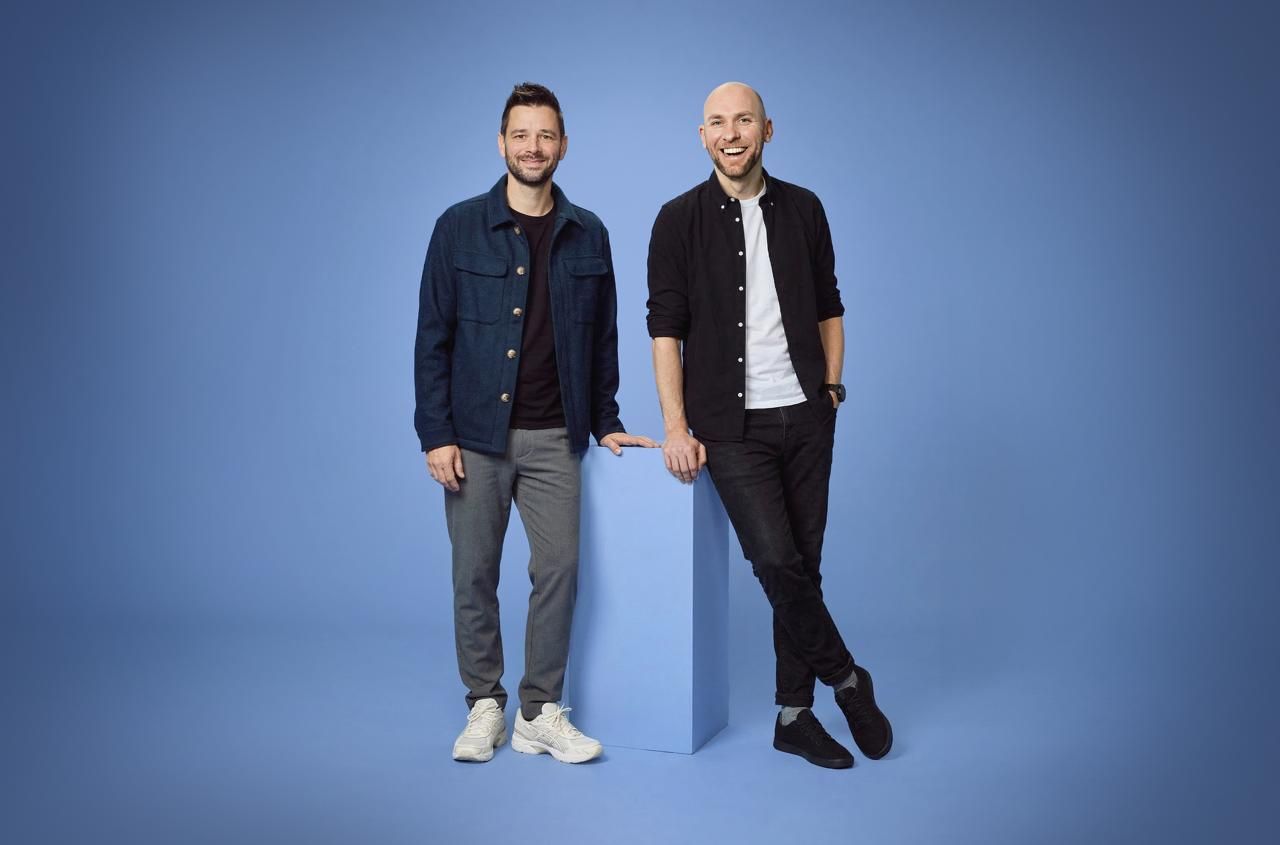
Bol's first AI-driven fashion campaign has been live since early March 2026 and has been used in both the women's and men's campaigns. The image of Laurent and Benjamin in this article is generated by AI. The photo of Laurent was taken by Adformatie during this interview about burobol.
bol launches bol.checkout

Check out quickly and securely at other webshops with your bol account...