
Impact Report 2025: assortment growth from 4 to 25 product categories

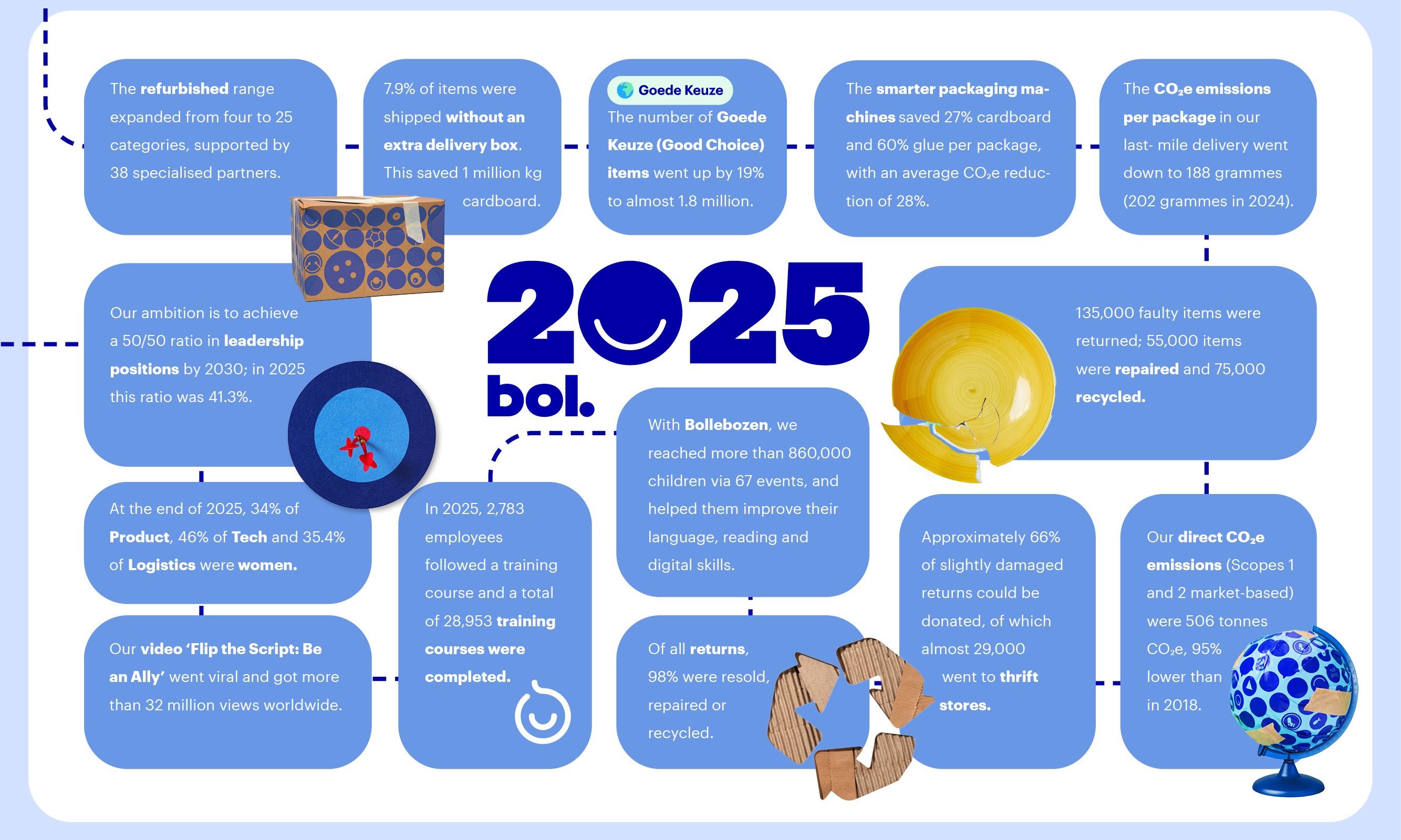
Refurbished products have definitively broken through to the mainstream. Where circular shopping was long mainly reserved for a small group of conscious consumers, figures from our Impact Report 2025 show that refurbished has now become increasingly accessible. In 2025, the refurbished assortment grew from 4 to no fewer than 25 product categories, supported by 38 specialized selling partners. This marks a major step toward circularity at scale. The ambition is clear: to make circular shopping mainstream, so that “new” is no longer the obvious first choice.
From niche to a structural part of the platform
The rapid growth of refurbished products shows that more and more Dutch and Belgian consumers are consciously choosing products with a second life. The range now includes everything from smartphones and tablets to televisions, speakers, printers, monitors, gaming products, headsets and smartwatches—categories with a relatively high environmental impact. In some product groups, such as iPhones, refurbished products already account for nearly 10% of units sold. This underlines that refurbished is no longer a side activity, but a fully-fledged and affordable alternative to new.
For bol, this development is crucial, as the majority of its environmental impact does not come from its own operations, but from the products sold through the platform. By extending the lifespan of electronics, waste is prevented and the demand for new raw materials is reduced.
Circularity in practice: repair, returns and reuse
Refurbished is one of the pillars of bol’s broader circular strategy. Significant progress was also made in 2025 in the areas of returns and repair. A total of 98% of all returns were given a second life through resale, repair or reuse. In total, 135,000 broken items were offered for repair, of which 55,000 were successfully repaired. Items that could no longer be repaired were recycled.
In addition, around 66% of lightly damaged returned items were donated, including nearly 29,000 products to thrift stores in the Netherlands and Belgium. This further reduces waste and helps preserve the value of products.
Lower CO₂ emissions through smarter logistics and packaging
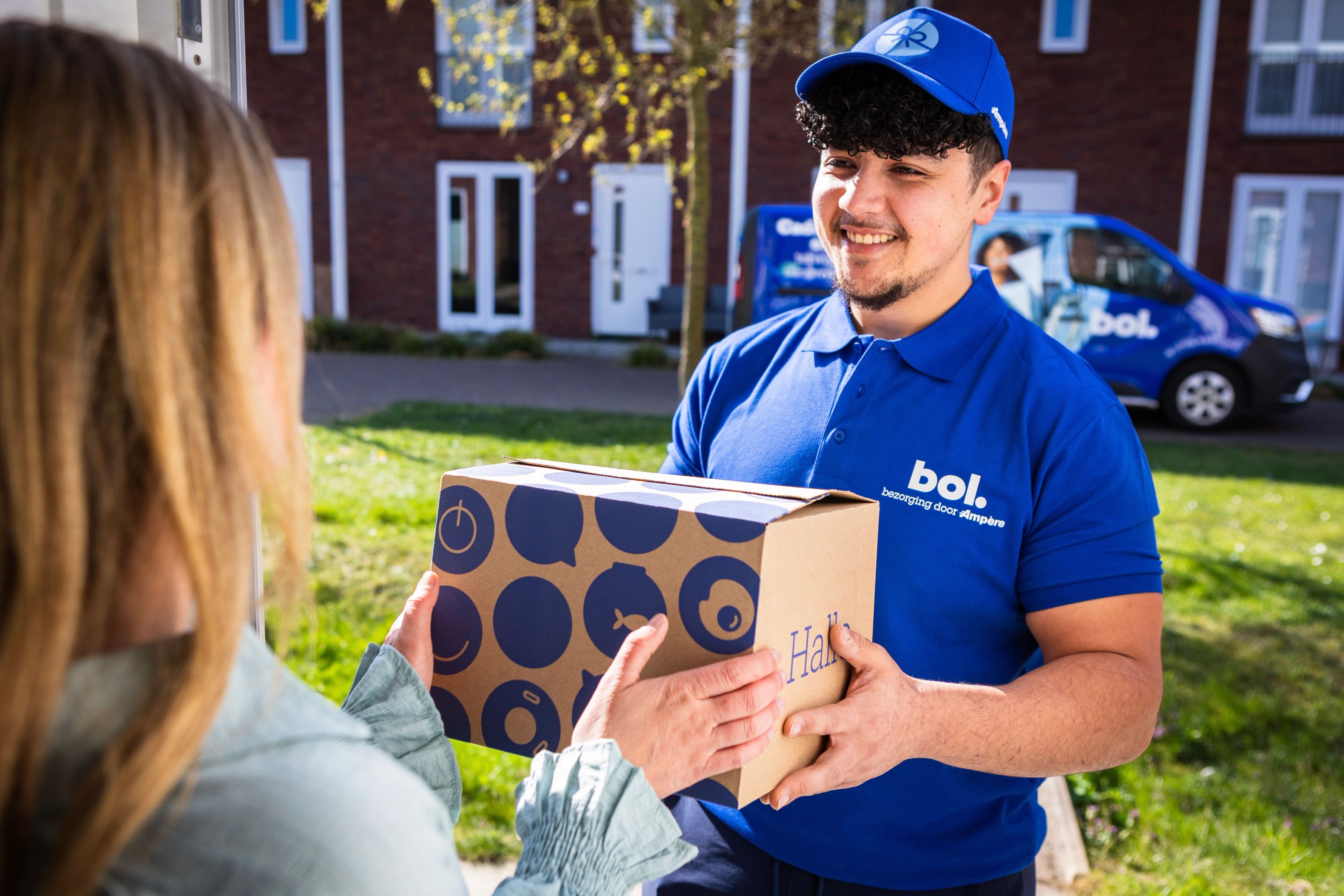
Alongside circularity in the assortment, bol also worked in 2025 to reduce the impact of logistics and packaging. The use of smarter packaging machines resulted in an average reduction of 27% in cardboard and 60% in glue per parcel. This led to an average CO₂ reduction of 28% per package. In 2025 alone, this saved bol 347,000 kilograms of cardboard and 38,000 kilograms of glue.
In addition, 7.9% of orders were shipped without an additional outer box, together saving millions of kilograms of cardboard. CO₂ emissions in last‑mile delivery fell further to 188 grams of CO₂ per parcel, compared to 202 grams the year before.
Working together to create impact across the value chain
As 99% of bol’s total CO₂ emissions occur in the value chain (scope 3), the focus is increasingly on collaboration with suppliers and partners. In 2025, more than 220 suppliers reported their CO₂ emissions, representing a 65% increase compared to 2024. This provides better insight into where the greatest impact lies and where reductions are possible.
The number of products carrying the ‘Good Choice’ label, items with demonstrable environmental or social benefits, also increased by 19% to nearly 1.8 million products. This helps customers make more sustainable choices more easily within the extensive assortment.
Impact goes beyond the environment
The Impact Report shows that sustainability at bol is not only about climate, but also about people. Through programs such as Bollebozen, more than 860,000 children were reached in 2025 with initiatives focused on reading enjoyment and digital skills. bol also invested in inclusion and equal opportunities, including through Women in Logistics and Women in Product & Tech.
Transparent about progress and challenges

Circular shopping as the new norm
With the Impact Report 2025, we show that circular shopping is no longer a vision for the future. The strong growth of refurbished products, combined with repair, reuse and smarter logistics, demonstrates that sustainable choices are becoming increasingly accessible to a broad audience. As a result, the ambition to make circular shopping mainstream is coming ever closer, with tangible impact at scale.
Bol expands its range with refurbished electronics
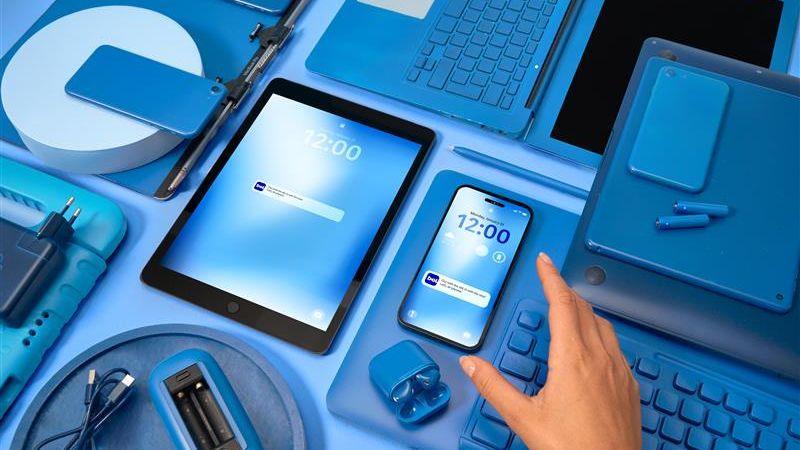
Refurbished devices as a fully-fledged alternative to new...
Bol further expands its range of refurbished products

Two out of three consumers consider refurbished electronics...